IMG_20250806_160608

ReNew Green

Powering India’s clean energy transition for industry

Industry:

Renewable Energy

Region:

India

Website:

renew.com

2 0 GW

Renewable energy capacity

8.7 0 M

Realised tonnes of emissions avoided

20 0 M

Cubic metres of water saved

ReNew Green is accelerating India’s energy transition by providing reliable and affordable clean energy to India’s commercial and industrial consumers.

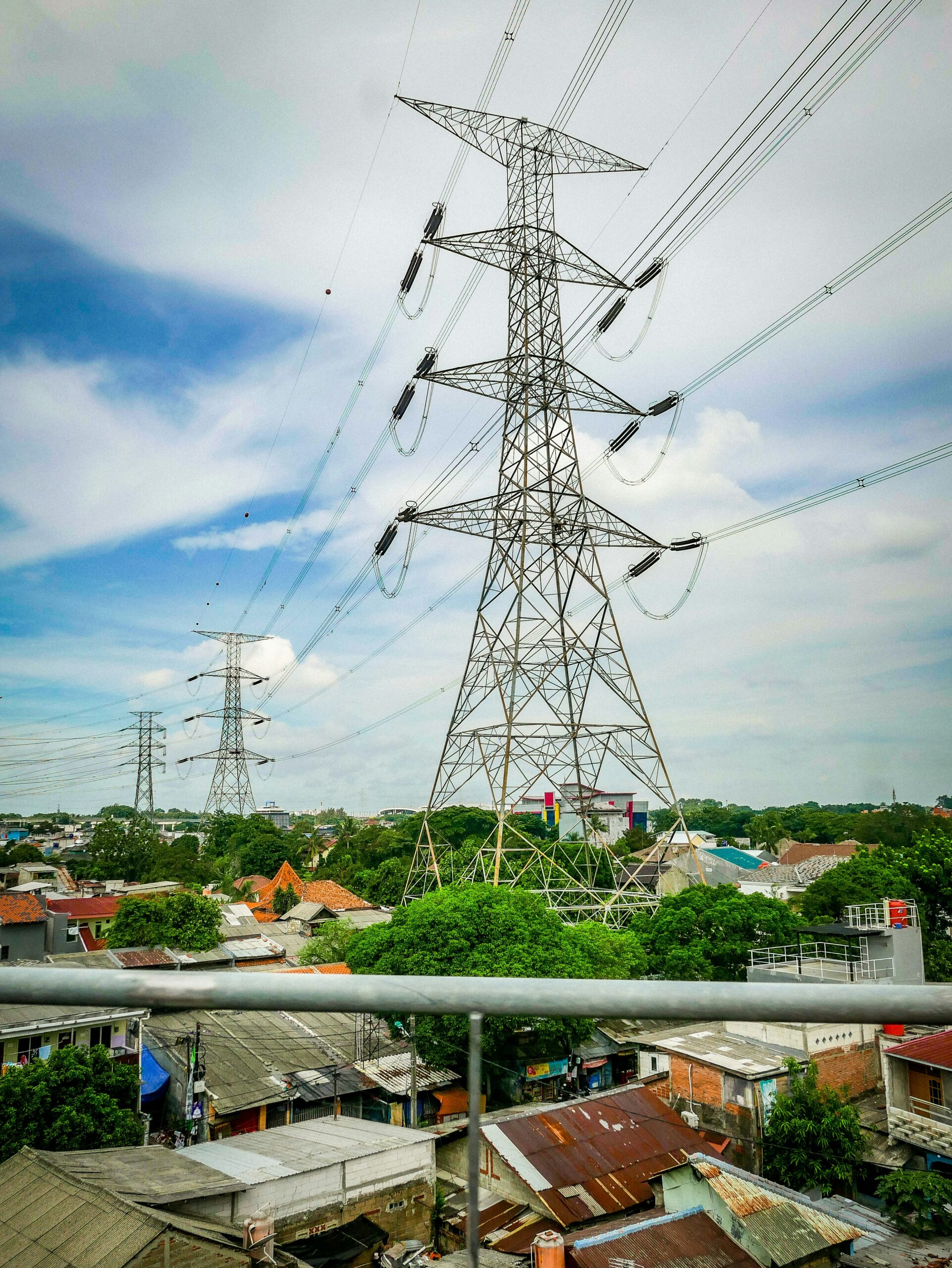
India’s energy demand is projected to grow faster than almost any other major economy through 2035.

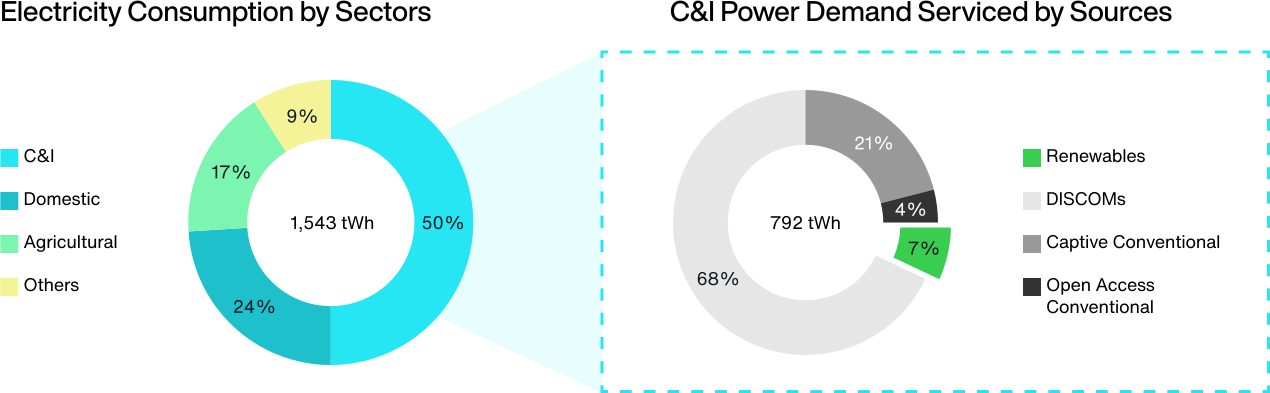
By 2050, the country is expected to account for over 23% of global incremental energy demand, the highest for any country.1 India is the third-largest emitter globally after China and the United States and the third largest energy consumer. The country’s peak power demand reached ~243GW in FY26 (~8% growth year on year), driven by multiple structural factors like urbanisation, electrification, expanding data centres, and increasingly erratic weather patterns.2,3 Peak power demand is expected to reach 400GW by 2030. The C&I sector accounts for more than 50% of total electricity consumption in the country, however just 7% of this demand is currently delivered by renewable sources.4

Energy consumption in India has continued to surge structurally (38% growth from 2015 to 2024) with the industry sector recording the highest annual growth (~13% last year).5 To meet this growing domestic demand, India has relied significantly on the import of fossil fuels. In FY24, India spent ~$195B on fossil fuel imports ~9x higher than the value of clean energy imports. This increasing gap between India’s energy production and total primary energy demand underscores the importance of accelerating clean energy deployment, strengthening energy security and supporting India’s goal of increased strategic autonomy.

Coal-fired power plants in the country also account for ~80% of the energy sector’s water withdrawals, adding significant strain to the country’s scarce water resources.6

Electricity prices for C&I consumers in India are among the highest in the world.7 The higher cost ripples through the economy by reducing business competitiveness, job creation and pace of industrialisation. Expanding reliable and affordable clean energy access to India’s growing business sector can create a multiplier effect for both energy transition and livelihoods.

renew c and i.4
Source: Energy Statistics 2025 (MOSPI); Central Electricity Authority of India (CEA), CRISIL; DISCOM refers to Distribution Company; tWh: terawatt-hour
renew c and i.4
Source: Energy Statistics 2025 (MOSPI); Central Electricity Authority of India (CEA), CRISIL; DISCOM refers to Distribution Company; tWh: terawatt-hour

1 Ministry of Power, Government of India | 2 FY is Fiscal Year from April to March | 3 Ministry of Power, Government of India |4 Central Electricity Authority of India (CEA), CRISIL | 5 MOSPI: Energy Statistics India 2025 |6 IEA, Managing the water energy-nexus, 2021 7 | IEA via The Economist; Adjusted for purchasing power

ReNew Green is one of India’s leading C&I focused renewable energy independent power producers.

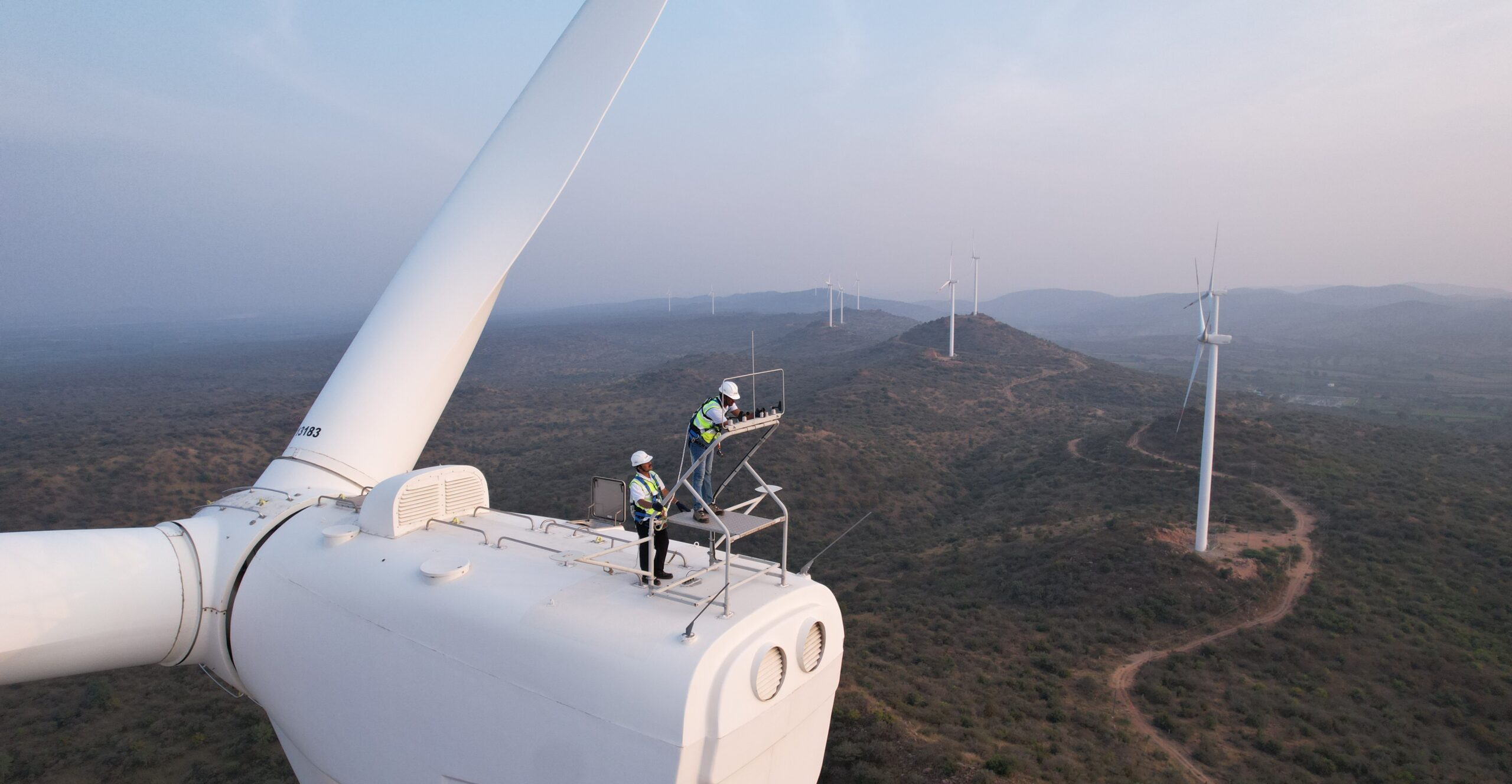
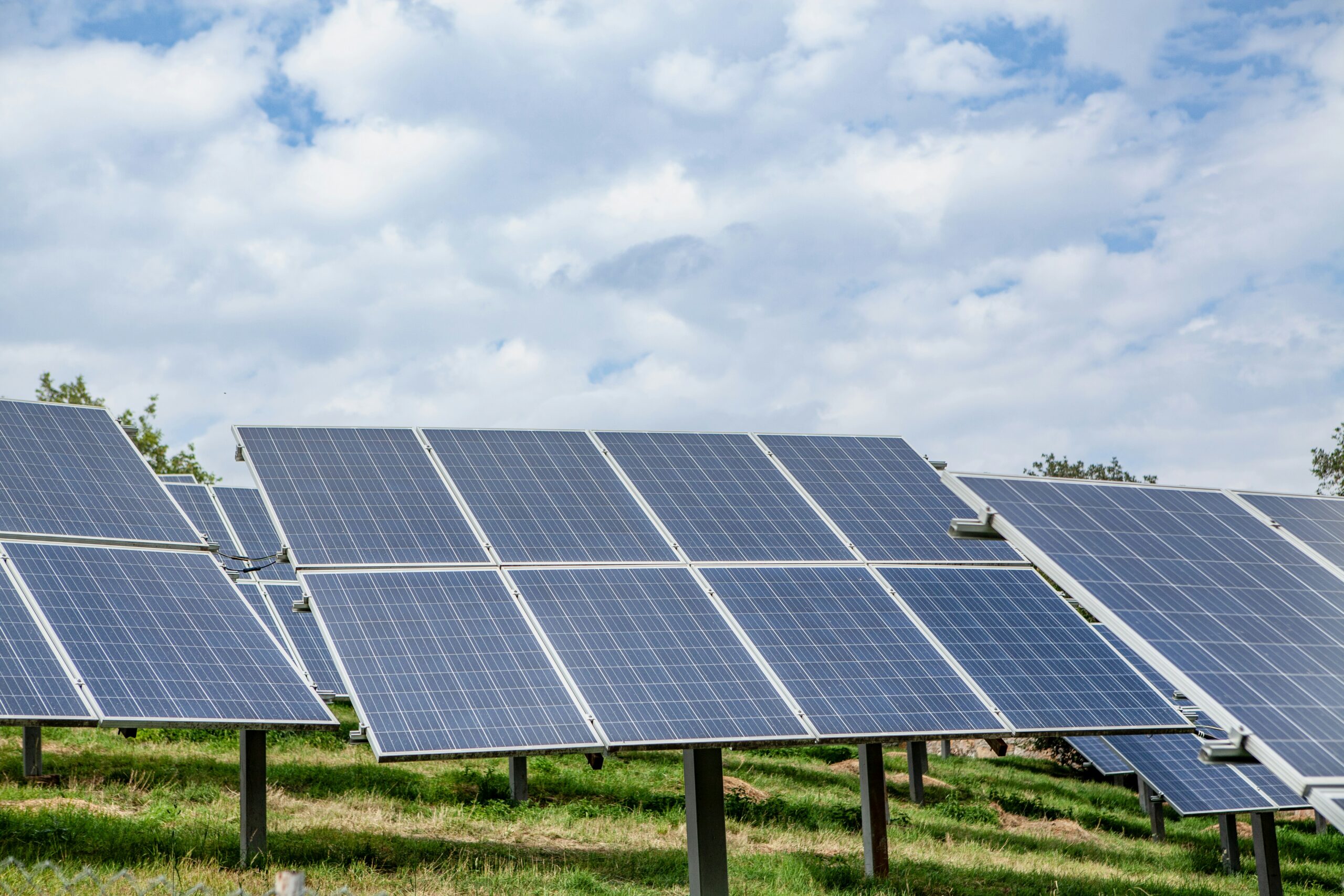
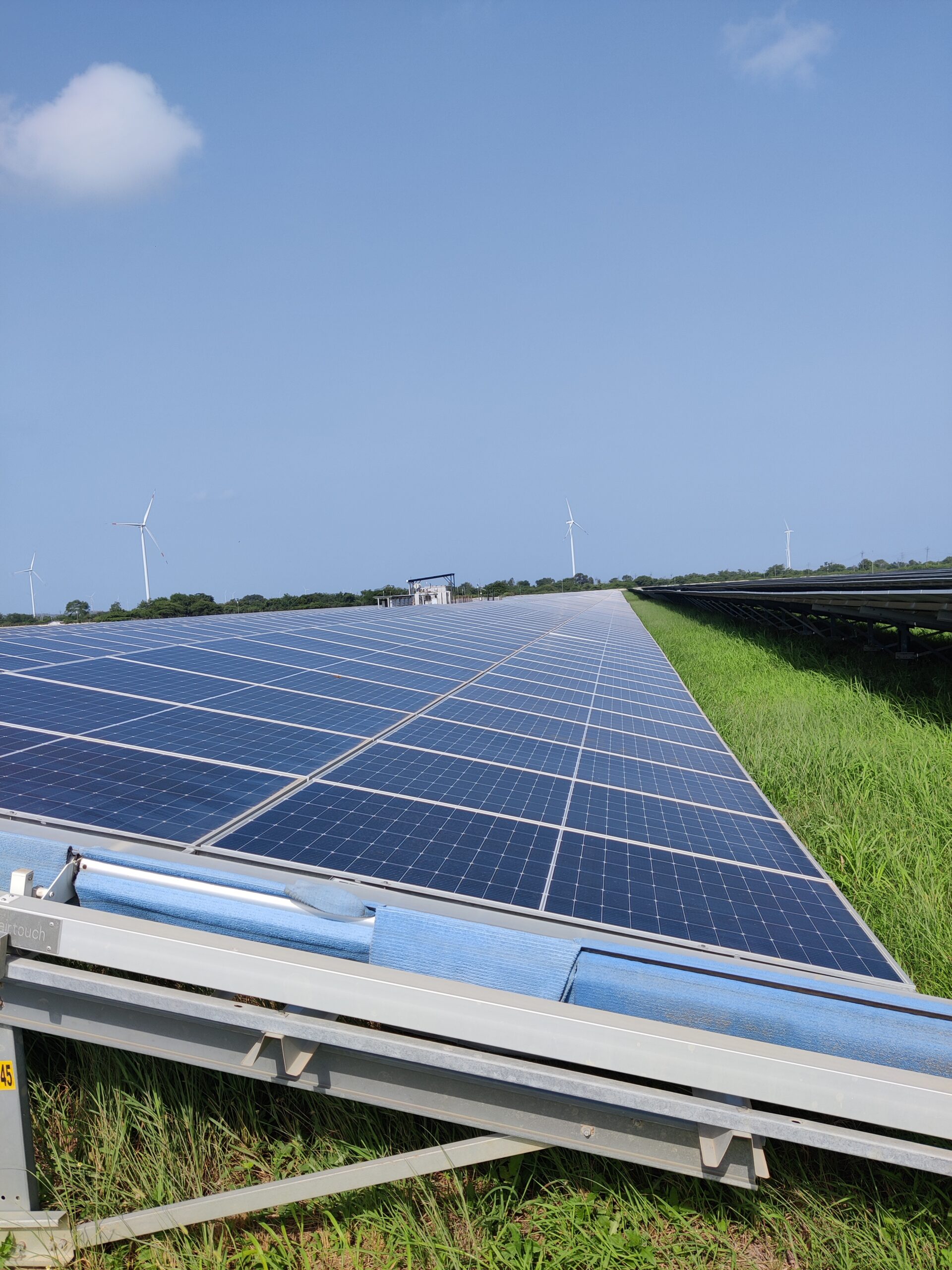
The Company supports customers in achieving their renewable energy targets through a range of solutions including solar, wind and hybrid across five key industrial states in India.

ReNew Green’s portfolio of renewable energy assets has a operational capacity of ~2.0GW. The Company develops, owns and manages the projects and signs long term Power Purchase Agreements with customers to provide renewable energy. Its diversified customer base includes global and domestic leaders such as Amazon, Microsoft, Google, Toyota Kirloskar Motors and Suzuki Motors.

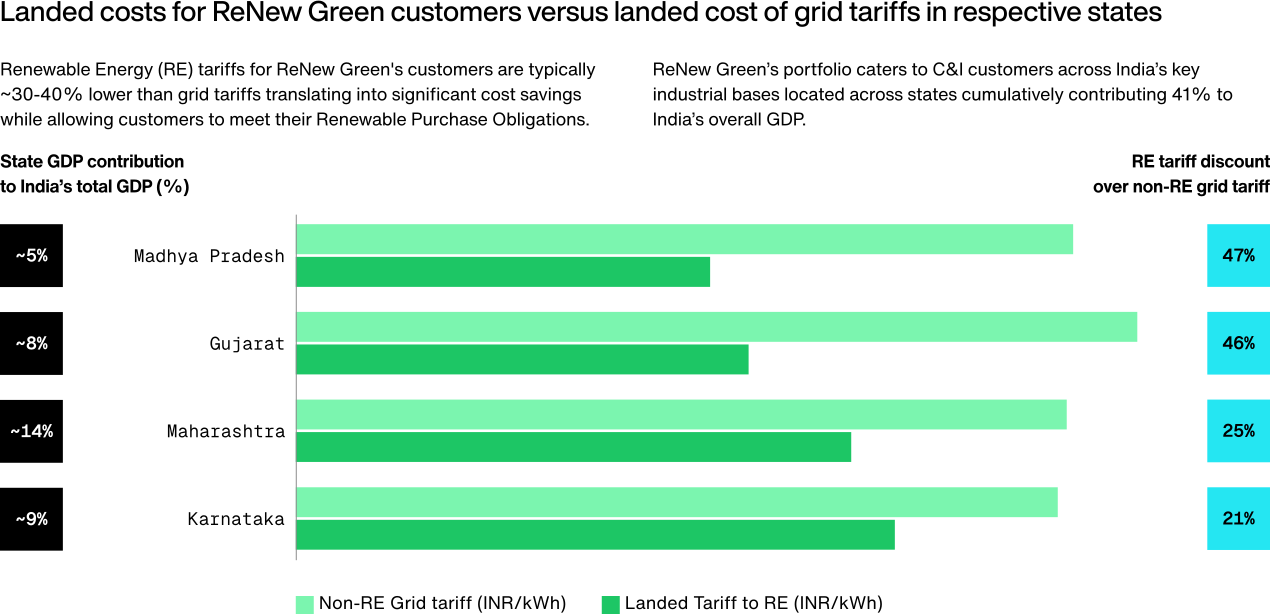
ReNew Green’s customers benefit from a ~30-40% “green discount” – securing affordable, clean electricity at competitive, fixed rates and enabling them to lower operational costs while decarbonising value chains. These efficiencies cascade across India’s wider economy by improving productivity, cost structures, and competitiveness. Affordable clean energy thus supports lower prices for goods and services, benefiting consumers and enabling more inclusive economic growth – particularly in underserved and price-sensitive markets.

The Company operates across India’s key industrial states including Madhya Pradesh, Gujarat, Maharashtra and Karnataka which cumulatively contribute ~40% to the country’s overall GDP.8 By developing and providing resilient clean energy, ReNew Green contributes to strengthening India’s long term energy goals and energy security.

renew c and i.2 2.0 Green
Source: Company data, 2025 (Landed cost for ReNew Green customers vs. landed cost of grid tariffs in the respective state)
renew c and i.2 2.0 Green
Source: Company data, 2025 (Landed cost for ReNew Green customers vs. landed cost of grid tariffs in the respective state)

8 Ministry of Statistics and Programme Implementation (total includes 4 states shown and Rajasthan)
ReNew Green exemplifies the ‘Green Leap’, demonstrating climate impact and social prosperity in tandem while setting a benchmark for scalable, inclusive, and economically catalytic clean‑energy investment.

Mitigation: Industries are India’s largest energy consumers and largest emitters (920 million tonnes of CO2e annually).9 ReNew Green is accelerating and supporting the sector’s decarbonisation.

Adaptation: ReNew Green will support India’s target to reach 40% renewables penetration by 2030, advancing the country’s goal for the renewable energy sector to curtail ~12 billion m3 of freshwater withdrawals, along with implementing proposed efficiency mandates.10 Investing in renewable energy also strengthens India’s climate adaptation and strategic autonomy by building resilient, domestically controlled power systems that reduce dependence on volatile fossil-fuel imports and geopolitical supply chains.

Affordability: LeapFrog’s Impact team will measure and monitor the expected aggregate savings generated as the Company transitions energy-intensive industrial clients away from fossil fuel grid electricity to cheaper renewable energy.

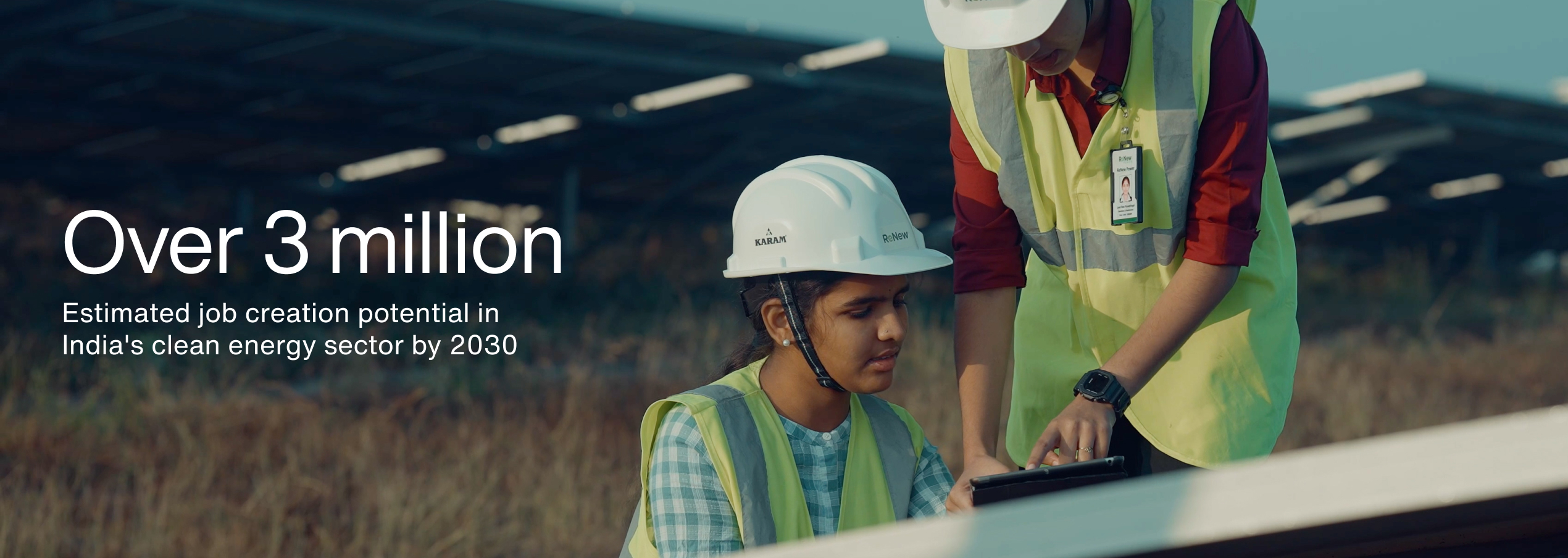
Livelihoods: The Company’s capacity expansion is expected to foster job creation across the value chain, with majority of these roles accessible to low- and mid-skilled workers, supporting inclusive green job growth and India’s Just Transition. Regional hiring and workforce development initiatives are set to accelerate green job growth, especially in rural/peri-urban regions.

Post investment, LeapFrog will join the board, and support the Company to strengthen independent functional expertise, boost leadership capabilities, drive gender diversity initiatives and facilitate strategic partnerships. LeapFrog’s Impact team will actively engage the Company’s operations and Environmental, Health and Safety (EHS) teams to elevate its practices in line with the IFC Performance Standards and the EIB environmental and social standards.

renew c and i.5
Source: CEEW estimate based India's goal of achieving 500 GW of non-fossil fuel capacity by 2030

9 Green electrification of Indian industries for clean energy gains – EMBER Report | 10 EPA GHG Equivalents Calculator